
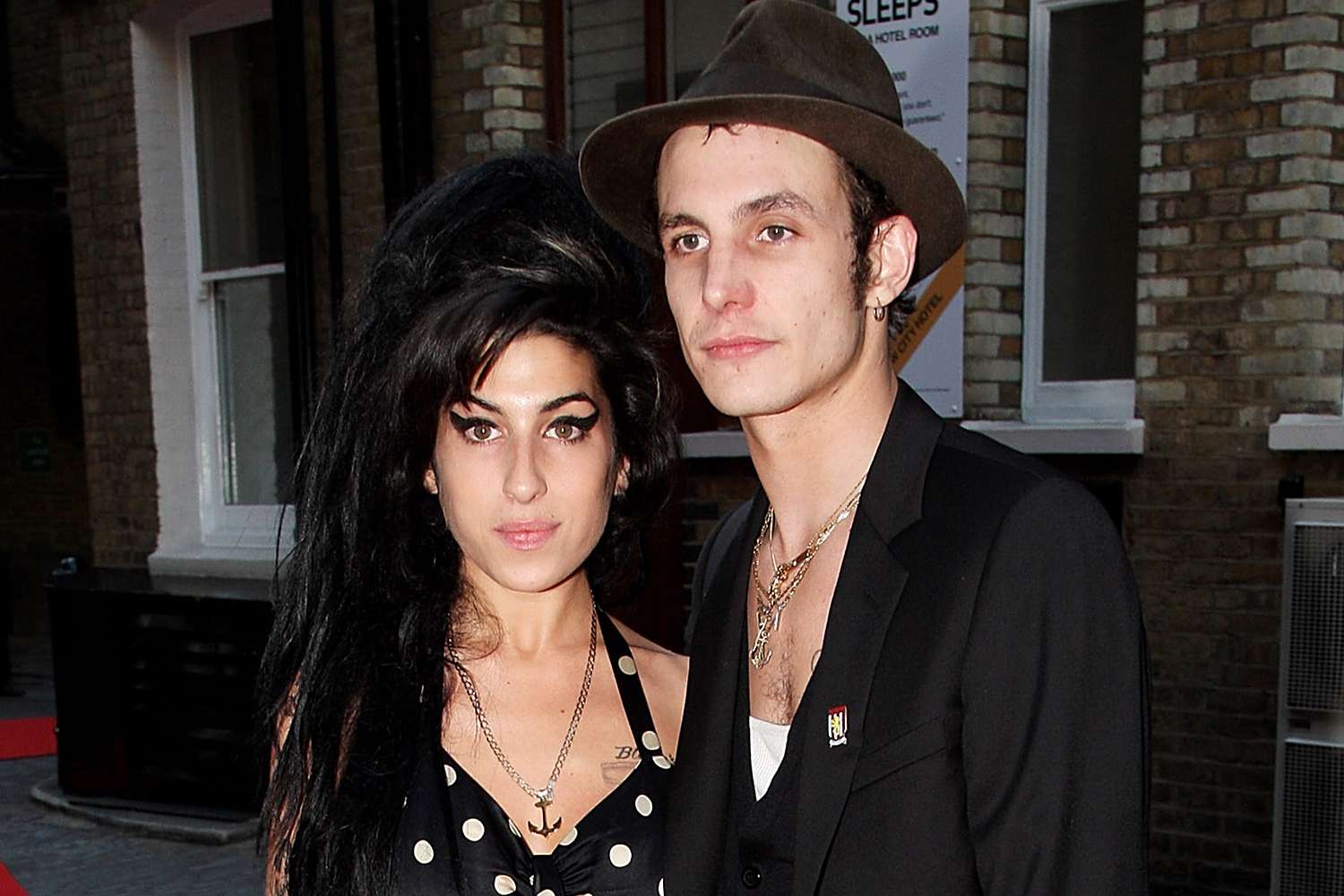
Amy Winehouse boyfriend news continues to generate retrospective analysis as her relationship with ex-husband Blake Fielder-Civil remains central to understanding her artistic legacy and tragic trajectory. The intense, turbulent partnership that inspired much of her most acclaimed work, particularly the album “Back to Black,” now gets examined through multiple lenses including artistic influence, substance abuse patterns, and the cost of toxic relationships. What’s actually happening in ongoing coverage is a reckoning with how that relationship was documented, mythologized, and potentially misunderstood in real time.
Fielder-Civil met Winehouse at a Camden pub, and their connection proved immediately intense. From a practical standpoint, that initial meeting set patterns that would define both the relationship and its aftermath. The romantic narrative that surrounded them obscured darker realities that only became clear through subsequent reporting and biographical analysis.
The Context Of Influence And How Relationships Shape Artistic Output
Winehouse’s manager Nick Godwyn observed an immediate personality shift after she met Fielder-Civil, noting she became “more distant” and her previous aversion to hard drugs disappeared. That testimony from someone in her professional circle provides crucial context often missing from romanticized accounts of their connection.
Here’s what the data actually tells us: relationships that dramatically alter personality and behavior patterns signal concerning power dynamics rather than soulmate connections. Winehouse’s transformation from marijuana user who “laughed at” those taking class-A drugs to someone deeply entrenched in substance abuse followed a clear timeline that aligned with Fielder-Civil’s presence.
The artistic output from this period remains undeniably powerful. “Back to Black” drew direct inspiration from their relationship turbulence, with the title track specifically addressing their breakup and reconciliation cycle. Look, the bottom line is that great art can emerge from destructive relationships, but that doesn’t retroactively justify or redeem the destruction.
What I’ve learned from examining these dynamics is that the public often confuses creative productivity with relationship health. Winehouse’s most celebrated work coincided with her most troubled period, creating narrative confusion about whether the relationship enabled or endangered her talent. The reality is both can be true simultaneously while the net effect remains devastatingly negative.
Timing, Marriage, And The Signals Behind Rapid Commitment
Winehouse and Fielder-Civil got engaged and married within a month, a compressed timeline that sources close to Winehouse reportedly viewed with concern. That velocity matters because it prevented the kind of careful evaluation that helps couples assess long-term compatibility under various conditions.
The proposal speed suggests intensity that can indicate either profound connection or concerning impulsivity. Retrospective analysis leans heavily toward the latter interpretation given subsequent events. From a practical standpoint, rapid commitment in the context of active substance abuse creates compounding risks where relationship instability and personal instability amplify each other.
Their marriage lasted from 2007 to 2009, a relatively brief period that nonetheless profoundly shaped Winehouse’s final years. The timing here is crucial because it positioned Fielder-Civil as central figure during the peak of her fame and the acceleration of her struggles. That combination created a documented record through tabloid coverage, paparazzi photos, and eventually, tragic outcome.
What actually happens in these high-visibility, high-dysfunction relationships is that public documentation creates permanent archive that gets reinterpreted as understanding evolves. The photos and interviews from their marriage now read differently with the knowledge of how the story ended. That retrospective clarity doesn’t change what happened, but it changes how we understand what was happening.
The Reality Of Toxic Patterns And Retrospective Assessment
Current discourse around Winehouse’s relationship with Fielder-Civil increasingly emphasizes the toxic and potentially abusive elements that earlier coverage romanticized or minimized. The recent biopic “Back to Black” faced criticism for its portrayal of Fielder-Civil, with observers debating whether it accurately represented his role in Winehouse’s decline.
The reality is that assessing historical relationships through contemporary frameworks produces tension between period-accurate representation and current understanding of relationship dynamics. What seemed like passionate volatility at the time now gets recognized as patterns consistent with emotional abuse and codependency.
From a practical standpoint, Fielder-Civil’s continued public presence and interviews keep this relationship in active discourse rather than archived history. His various statements over time have ranged from accepting responsibility to offering justifications, creating an inconsistent narrative that complicates clean assessment.
Look, what I’ve seen play out repeatedly is that the partners of deceased celebrities face unique scrutiny where their actions get frozen in permanent analysis without opportunity for relationship evolution or changed dynamics. Fielder-Civil will forever be “Amy Winehouse’s ex-husband,” a designation that carries both recognition and condemnation.
The Narrative Around Blake Fielder-Civil’s Current Circumstances
Fielder-Civil’s life after Winehouse has included subsequent relationships, continued substance abuse issues, and periodic media appearances where he discusses their relationship. Recent reports indicated he became engaged to partner Bay Wright, described as someone from a “very different world” than his previous circles.
The context here matters because it shows how individuals connected to major cultural figures continue to navigate the weight of that association. Fielder-Civil’s attempts to move forward occur under constant reference back to Winehouse, a dynamic that makes personal reinvention nearly impossible.
What the data shows is that public interest in Fielder-Civil spikes around Winehouse anniversaries, documentary releases, and biopic premieres. He remains permanently tethered to her legacy while having limited ability to shape how that legacy interprets his role.
The professional calculation for Fielder-Civil involves weighing engagement with media requests against the reputational risk of keeping the relationship in active discussion. Each interview provides opportunity to offer his perspective but also invites renewed criticism and analysis of past behavior.
The Pressure Of Legacy And How Relationships Get Preserved
Winehouse’s relationship with Fielder-Civil now exists primarily as archived narrative that gets periodically reexamined as cultural understanding of addiction, abuse, and toxic relationships evolves. That preservation creates static image of dynamic situation, flattening years of complexity into simplified storylines.
From a practical standpoint, the songs Winehouse created about their relationship ensure it remains permanently embedded in her artistic legacy. “Back to Black,” “Love Is a Losing Game,” and other tracks function as primary source documents of her emotional state and relationship experience. Future listeners will encounter Fielder-Civil through these songs regardless of biographical context.
What I’ve learned is that when relationships become art, they gain immortality while losing nuance. The lived experience of Winehouse and Fielder-Civil’s relationship contained countless moments, conversations, and dynamics that couldn’t be captured in song or later recounted accurately. What remains is artistic interpretation and retrospective analysis, both valuable but incomplete.
The proof question becomes complicated in retrospective relationship assessment because the participants’ own statements conflict depending on when they were given and under what circumstances. Winehouse described the relationship as “intense and cathartic” during its existence, framing that sounds dramatically different after her death than it did during the interview.
The ongoing interest in Amy Winehouse boyfriend news, specifically regarding Fielder-Civil, reflects continued attempts to understand how talent, addiction, love, and destruction intersected in ways that produced both extraordinary art and preventable tragedy.