
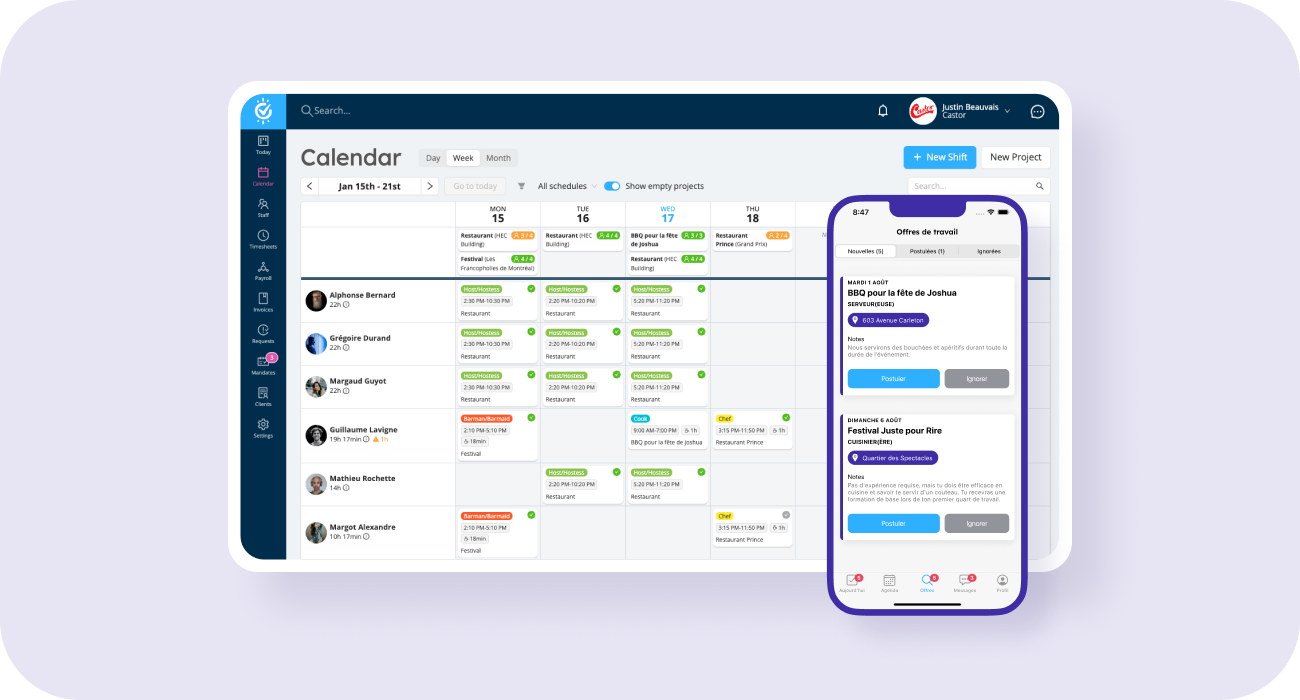
Recent operational adjustments at AT&T have drawn fresh attention to the Shift App AT&T, as retail and field staff navigate updated workforce protocols amid hybrid work shifts. Employee scheduling and features within this internal tool surface in daily operations, particularly after system migrations that streamlined access for thousands of hourly workers. Managers and frontline teams now rely on its core functions to handle volatile demand in stores and service centers, where precise shift assignments directly impact service levels. Public discussions among staff highlight its role in balancing workloads during peak periods, like holiday rushes or network upgrades. The Shift App AT&T handles these pressures without fanfare, processing swaps and time-offs that keep locations staffed. No broader rollout has been announced, but usage patterns indicate sustained dependence on its scheduling backbone. Coverage in employee forums underscores how employee scheduling and features adapt to real-time needs, from clock-ins to availability bids.
Core Scheduling Mechanics
Shift Viewing Interface
Employees open the Shift App AT&T to scan upcoming assignments at a glance. Color-coded blocks mark hours, locations, and team overlaps, pulling data from central HR feeds. A weekly spread loads instantly, letting staff spot gaps or clusters before managers intervene. Swipes reveal notes on tasks or coverage ratios. This setup cuts confusion in high-turnover retail spots, where last-minute views prevent no-shows. Dashboards prioritize personal lines first, then branch to group calendars. Filters sort by department or site, useful for field techs juggling multiple zones. Real-time syncs push changes from approvals, ensuring the view matches posted rosters. Managers note fewer inquiries since these displays went mobile. Core reliance on employee scheduling and features like this persists across shifts.
Assignment Creation Process
Managers initiate builds in the Shift App AT&T by selecting date ranges and staffing targets. Drag mechanics slot workers into slots based on availability bids already logged. Algorithms flag understaffed hours, prompting fills from open pools. Preferences weigh in—seniority or skills nudge suggestions without overriding budgets. Retail leads test patterns against sales forecasts, adjusting for lunch rushes. Once drafted, broadcasts notify eligibles for claims. Edits ripple through without full rebuilds, preserving momentum. Field services adapt for travel buffers between calls. This flow handles AT&T’s scale, where thousands of shifts populate daily. Employee scheduling and features here emphasize efficiency over rigidity. Variations emerge site by site, reflecting local rhythms.
Availability Submission Methods
Staff declare open slots via the Shift App AT&T in quick taps—hours, days, or blackout periods. Recurring flags repeat weekly, easing manager planning. Partial days slot for appointments, a nod to work-life pulls. Uploads tie to profiles, visible only to approvers. Retail workers bid during off-peaks to grab overtime. Notifications confirm receipts, with declines explained briefly. Group submissions coordinate for events like trainings. Techs mark weather-impacted windows proactively. These inputs feed auto-fills, reducing manual hunts. Employee scheduling and features gain precision from such granularity. Disputes rarely arise, as logs track all entries. Forward bids shape next cycles subtly.
Open Shift Marketplace Dynamics
Unclaimed hours populate a marketplace in the Shift App AT&T, browsable by role or pay grade. Employees claim with one click, triggering manager reviews for skill fits. Bids stack if multiples apply, prioritizing tenure. Retail grabs extras for weekends, field for surges. Drops allow re-postings mid-week. Alerts ping matches to profiles. Swaps layer atop, trading equals seamlessly. Usage spikes post-holidays, clearing backlogs fast. Managers monitor to avoid overloads. Employee scheduling and features thrive on this self-service layer. Patterns reveal peak claim times, informing future posts.
Bulk Adjustment Capabilities
Mass tweaks sweep the Shift App AT&T during disruptions—weather or outages shift dozens at once. Select groups, drag to new frames, and confirm cascades. Overrides preserve key covers like leads. Retail chains propagate store-wide. Payroll flags track changes for audits. Staff get summaries, not every nudge. Field ops align with dispatch reroutes. Templates speed repeats for patterns. Employee scheduling and features handle volume without breakdowns. Rare errors prompt rollbacks logged precisely.
Advanced Feature Set
Swap Request Workflow
Trades start in the Shift App AT&T with shift taps, scanning compatible partners. Messages attach reasons, visible to all three parties. Acceptances auto-notify managers for final nods. Equals swap silently if pre-approved. Retail pairs nights for days fluidly. Rejects loop back with options. Histories log for patterns. Field techs trade routes often. Employee scheduling and features flex here most. Volumes peak Fridays. Denials stay minimal through matches.
Time-Off Approval Chain
Requests hit the Shift App AT&T queue instantly, detailing spans and covers. Leads check conflicts first, escalating if gaps loom. Partial grants split days neatly. Balances display upfront, curbing overs. Retail eyes sales dips for greens. Auto-rules greenlight small ones. Trackers follow status live. Field accounts for travel lags. Employee scheduling and features balance rests smartly. Accumulators roll over per policy.
Clock-In Geofencing Tech
Proximity triggers greet in the Shift App AT&T, verifying sites via GPS bounds. WiFi backups work indoors thickly. Selfies or codes double-check. Breaks log separately. Retail pins exact aisles. Field ties to vans. Discrepancies flag for notes. Exports feed payroll clean. Employee scheduling and features tie hours tight. Tolerance adjusts per role.
Notification Customization Options
Toggles shape pings in the Shift App AT&T—urgent only or full stream. Times mute off-hours. Channels split email, push, text. Priorities color-code. Retail sets volume alerts. Group blasts override personal. Wellness nudges prompt check-ins. Employee scheduling and features stay tuned without overload. Feedback loops refine defaults.
Reporting Dashboard Access
Pulls compile in the Shift App AT&T—hours, trades, absences graphed simply. Managers export for payroll. Trends spotlight repeats. Retail correlates sales. Filters drill locations. Field maps overtime. Shares secure to teams. Employee scheduling and features inform tweaks. Archives retain years.
Integration and Access
Login Credential Protocols
Global IDs unlock the Shift App AT&T across devices, two-factor gating entry. Biometrics speed repeats. Locks trigger on fails. Retail kiosks mirror mobile. Field VPNs secure remote. Resets email instantly. Employee scheduling and features guard data firm. Multi-logouts sync.
Mobile vs Web Parity
Apps mirror web in the Shift App AT&T, syncing edits live. Phones favor quick clocks, desktops deep plans. Retail thrives portable. Field needs offline peeks. Updates push uniform. Employee scheduling and features span seamless.
Payroll System Linkage
Hours dump direct to ledgers from Shift App AT&T, codes matching rules. Overages flag early. Retail breaks itemize. Field miles attach. Approvals precede exports. Employee scheduling and features fuel accurate pays.
Third-Party Tool Syncs
Calendars pull from Shift App AT&T, Outlook or Google mirroring. Teams chats link alerts. HR portals feed availables. Retail POS hints demand. Field dispatch coordinates. Employee scheduling and features weave broad.
Security Compliance Layers
Encryption wraps all in Shift App AT&T, audits trail changes. Roles limit views. Breaches alert chains. Retail cameras optional. Field devices wipe remote. Employee scheduling and features stay vaulted.
Operational Impacts
Retail Deployment Specifics
Stores lean heavy on Shift App AT&T for footfall matches, shifts bending to crowds. Leads forecast via sales. Swaps fill rushes. Clocks track peaks. Employee scheduling and features drive throughput.
Field Services Adaptations
Techs route via Shift App AT&T, windows flexing jobs. Geos guide arrivals. Trades swap loads. Offs cover calls. Employee scheduling and features route efficient.
Management Oversight Tools
Dashboards aggregate in Shift App AT&T, variances popping clear. Budgets track real-time. Trends predict needs. Broadcasts steer. Employee scheduling and features empower leads.
Recent Update Rollouts
Tweaks hit Shift App AT&T phased, AI hints latest. Biometrics standard now. Partials enabled. Feedback shaped. Employee scheduling and features evolve steady.
Usage Analytics Insights
Data shows Shift App AT&T cuts absences, swaps up flex. Peaks trace events. Retail gains sales-labor fits. Field drops lates. Employee scheduling and features quantify wins.
The public record on the Shift App AT&T lays bare a tool honed for AT&T’s vast hourly ranks, where employee scheduling and features knit daily operations tight without excess flash. Core mechanics—views, builds, bids—sustain flow amid retail volatility and field sprawl, while swaps and clocks anchor accountability. Integrations with payroll and calendars extend reach, yet gaps linger in offline depths or cross-tool seams. Managers wield dashboards for oversight, but frontline logs reveal uneven adoption, with some sites clinging to old habits. Recent phases brought AI nudges and biometrics, hinting at further smarts, though no full metrics on uptake circulate openly. What stands unresolved circles scale: as hybrid pulls deepen, will these employee scheduling and features stretch to match, or prompt overhauls? Staff chatter suggests reliance grows, but whispers of Kronos merges or broader platforms float unplaced. Forward paths hinge on unshared internals, leaving deployment’s full arc in quiet evolution.