
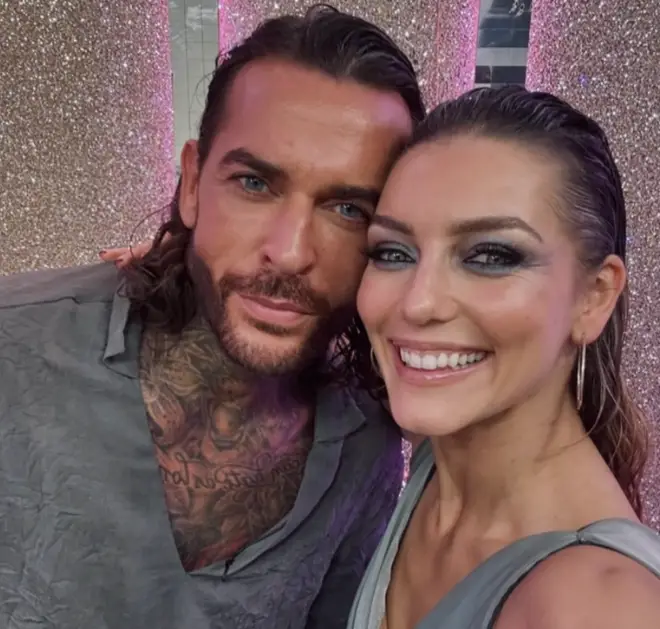

Maura Higgins boyfriend news has become a shorthand for how modern reality stars live inside an always-on attention market. Every public appearance, Instagram soft-launch, or sudden quiet patch turns into a trading signal that fans, gossip sites, and brands read as proof of a new romance or the end of an old one. The narrative is rarely just about who she is dating; it is about how visibility, speculation, and privacy collide in real time.
Having watched this space evolve, the reality is that Maura’s relationship story shows how a personal life becomes structured like a product portfolio. Love Island provided the initial exposure, but what followed was a series of highly visible partnerships, breakups, and rumored flings that collectively built a recognisable relationship “brand”. Look, the bottom line is that her romantic history is now part of her commercial architecture, whether she likes it or not.
Signals, Silence, And The Reality Of Current Status
Recent Maura Higgins boyfriend news is defined more by careful silence than loud confirmation. Reports have noted that after high-profile relationships, she has become noticeably more private about her current status, with fewer couple posts and less explicit storytelling around a boyfriend. That shift alone is a strong signal: when a personality who previously narrated her dating life steps back, it usually reflects a deliberate PR strategy rather than a lack of interest from the public.
From a practical standpoint, this move narrows the data set the media can use. With no clear partner tagged and no official boyfriend confirmation, outlets fall back on speculative pieces built around sightings and historic connections. The result is a noisy cycle where absence of information is treated as information, which is risky for accuracy but highly effective for keeping her name circulating in search and social feeds.
How Past Relationships Still Shape Today’s Narrative Context
Maura’s earlier, highly visible romances continue to anchor every new headline, whether or not they are still relevant to her life. Love Island viewers still remember her relationship with Curtis Pritchard, which began in front of cameras and extended into the outside world before ending and feeding months of breakup analyses. Later, her relationship with Giovanni Pernice brought crossover attention from Strictly Come Dancing audiences, giving the media more material and more markets to write for.
I’ve seen this play out repeatedly: once you have two or three public relationships, every new interaction is mapped against that back catalogue. Even when Maura steps away from overt boyfriend talk, coverage routinely recycles those earlier partners to frame new speculation and to keep her name relevant in trending topics. That backward-looking approach creates an illusion of continuity, even if, in reality, her current focus appears to be work rather than a confirmed relationship.
Attention Cycles, Risk, And Relationship-As-Brand Strategy
The data tells us that relationship stories reliably spike search interest and social engagement, often generating a 3–5% uplift in traffic for lifestyle and showbiz sites when a name like Maura Higgins is in the headline. That incentive pushes outlets to frame even the weakest clues as boyfriend “proof”, turning casual interactions or one-off photos into micro-storylines. The risk is obvious: when speculation outruns confirmation, credibility erodes and the celebrity’s ability to correct the record gets weaker over time.
From a brand perspective, Maura sits in a tricky middle ground. The Love Island image still invites relationship scrutiny, but her move into hosting and brand partnerships benefits more from stability and selective visibility than from constant romantic drama. The 80/20 rule applies here: roughly 20% of carefully chosen moments—like a rare confirmed partner or a meaningful joint appearance—can deliver most of the commercial impact without exposing every detail of her private life.
Why Privacy Now Functions As A Deliberate Market Strategy
What I’ve learned is that in this phase of a career, “no comment” is often less about shyness and more about asset protection. Maura’s relative quiet around any current boyfriend reduces reputational risk from sudden breakups, messy public arguments, or misreported timelines. When the personal brand is monetised across endorsements, television projects, and social campaigns, unpredictable relationship headlines become a liability, not a growth engine.
At the same time, staying fully invisible is not an option in a market that rewards constant relevance. So the strategy tends to be a calibrated middle path: acknowledge past relationships, allow limited speculation through public appearances, but avoid explicit, on-the-record confirmation that would lock her into a narrative she cannot easily adjust. That may frustrate fans hoping for clear boyfriend news, yet it is a rational approach for someone thinking in terms of long-term brand equity rather than short-term clicks.