A well-organized shop creates a better shopping experience and helps business owners make the most of their available space. Product placement, aisle layout, storage capacity, and display arrangements all affect how customers explore a store.
However, choosing the right shelving system requires more than finding attractive racks. Shop owners must consider their products, floor space, customer needs, safety requirements, and long-term business goals.
Here are some tips to help you select a shelving system that meets your shop’s needs.
Evaluate Your Shop Space and Store Layout
Before purchasing shelving solutions, take a close look at your shop’s available space. The size and layout of your store will influence the type, number, and placement of shelves you need. A system that works well in a large supermarket may not suit a small convenience store or boutique.
Start by measuring the shop’s length, width, and ceiling height. Pay attention to doors, windows, pillars, counters, and other fixed structures. These features can affect where you place your shelving units.
Accurate measurements will help you avoid purchasing racks that block important areas or leave too little room for customers.
Choose Shelving Based on Your Product Types
Not every product requires the same type of shelf. Items differ in size, shape, weight, packaging, and display requirements. Choosing racks without considering these details can lead to poor product placement and wasted storage space.
Clothing stores have different requirements. They may need a combination of hanging rails, display shelves, folded-clothing units, and storage compartments. A suitable arrangement allows customers to compare different styles while keeping the shop tidy.
Wooden or laminated shelves can also add a polished appearance to fashion retail spaces.
- Consider Material Quality and Weight Capacity
The material of your shelving system affects its strength, appearance, durability, and maintenance requirements. Shop owners should compare different materials before choosing racks for their retail space.
A low-cost option may seem attractive initially, but poor construction can lead to frequent repairs and replacement expenses.
Also inspect the quality of joints, brackets, fasteners, and support frames. These parts help keep the structure stable during daily use. Proper installation and regular inspections can reduce the risk of shelves becoming unstable or collapsing.
Focus on Product Visibility and Customer Accessibility
A good shelving system should do more than hold products. It should help customers notice merchandise, understand product categories, and find what they need without asking for assistance. Product visibility plays an important role in creating a convenient shopping experience.
Consider shelf height. Frequently purchased products should generally remain within easy reach. Placing popular items at comfortable viewing and reaching levels makes shopping easier.
You can reserve higher shelves for lightweight or less frequently purchased products, provided customers can access them safely.
Select Flexible Shelving Systems for Future Growth
Your shop’s storage and display requirements may change as your business grows. New products, seasonal collections, changing customer preferences, and increased inventory can all affect how you use your retail space.
Choosing a flexible shelving system can help you manage these changes without replacing every fixture.
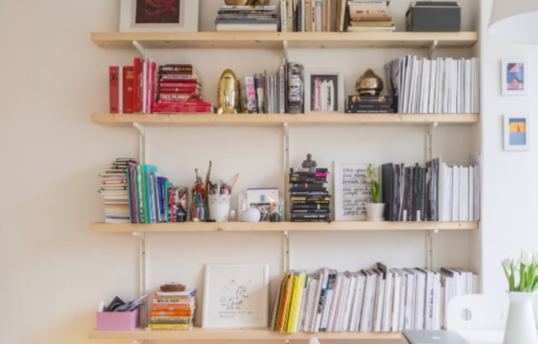
Adjustable shelving provides one of the most useful options for growing retail businesses. These units allow shop owners to change shelf heights according to product sizes. You can create more space for large packages or add closer shelf levels for smaller merchandise.